
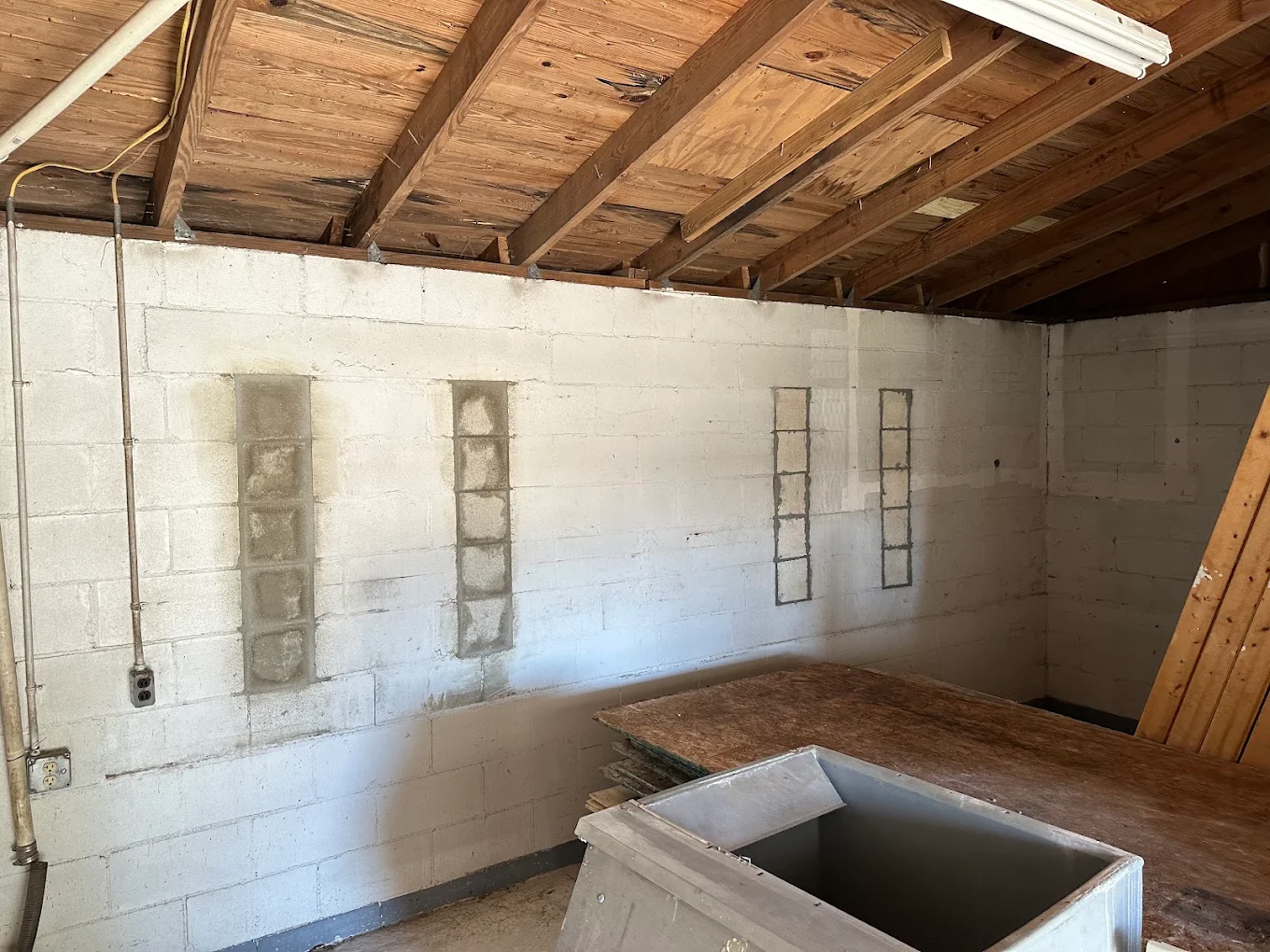
Symptom mapping
Locate raised, separated, cupped or soft areas and note how far they appear to extend.
Buckled floor repair · Jacksonville
Buckling, peaking and cupping can come from moisture, restricted movement, installation conditions or damage below the finish. JW begins by documenting what the floor is doing and where the problem meets the surrounding material.
Scope the work before choosing shortcuts
Cutting down one raised edge without understanding the surrounding installation can leave the cause in place. Visible symptoms, recent water events, perimeter clearance and changes across the room all inform the repair discussion. Conditions outside finish-floor work may require another qualified trade before JW replaces or resets material.
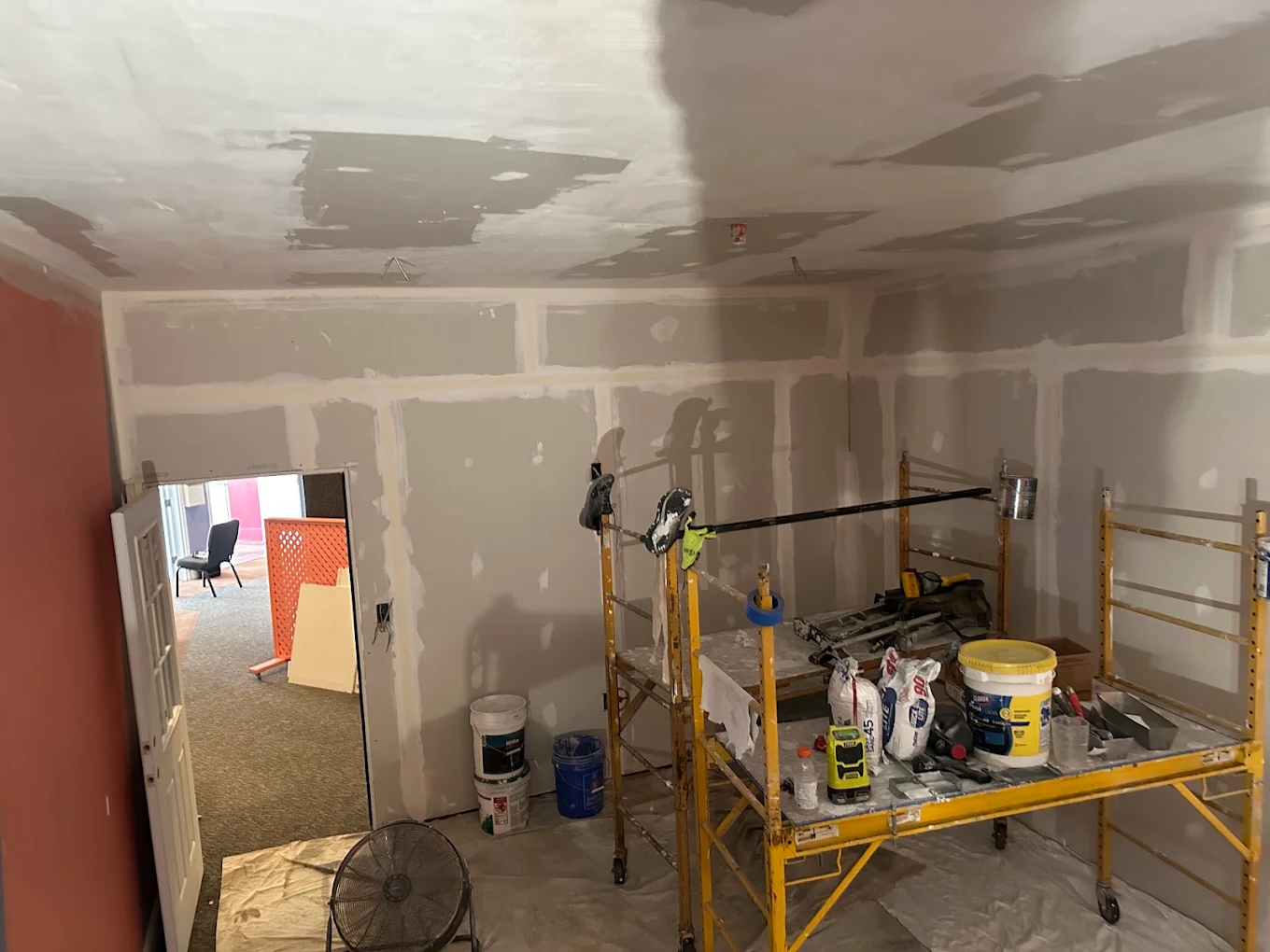
What the estimate should address
Specific materials and preparation depend on the property, existing surface and manufacturer requirements.
Locate raised, separated, cupped or soft areas and note how far they appear to extend.
Check accessible edges and adjoining areas for constraints or related movement.
Use labels, spare stock or samples to determine whether a compatible replacement is available.
Define what can be repaired and where broader replacement may be more reliable or visually consistent.
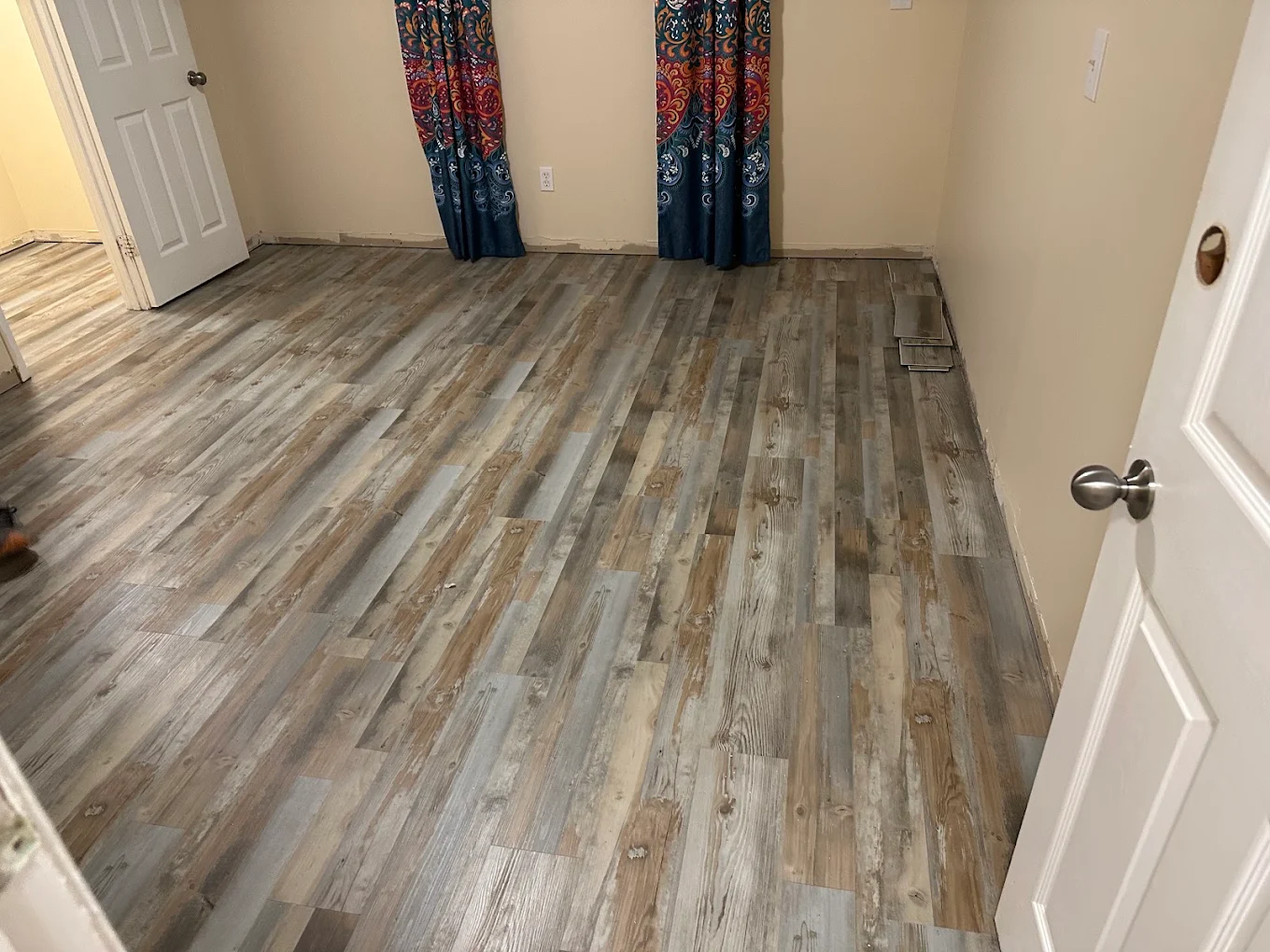
Choose for the way the space is used
Click-lock products, glued floors and traditional wood assemblies each come apart differently. Access direction, replacement stock and color variation affect whether a small repair will blend. JW outlines the most practical repair boundary after inspecting the installation and checking what matching material is available.
A five-step working plan
The sequence changes when the surface, product or repair requires it, but these are the decisions every estimate should make visible.
Review when the movement appeared and whether water or other changes occurred.
Look at transitions, walls and nearby rooms for related conditions.
Balance access, material compatibility and finished appearance.
Confirm newly visible conditions before proceeding beyond the approved scope.
Complete the approved floor and finish details around the repaired area.
Questions before an estimate
These answers are planning guidance, not a diagnosis of a surface that has not been inspected.
Possible causes include moisture, restricted expansion, installation issues or movement below the finish. An inspection is needed before choosing a repair.
That may not address the cause and can damage the locking edges. The surrounding floor and available movement space should be reviewed first.
A match depends on available stock, production variation, age and wear. Spare material from the original installation is often the best candidate when it is compatible.
Active leaks and unresolved moisture should be handled before finish-floor repair. JW can define the flooring scope after the underlying condition is addressed.
Start the conversation
Share the property ZIP, current material, visible condition, approximate area and the finish you are considering.