Surface identification
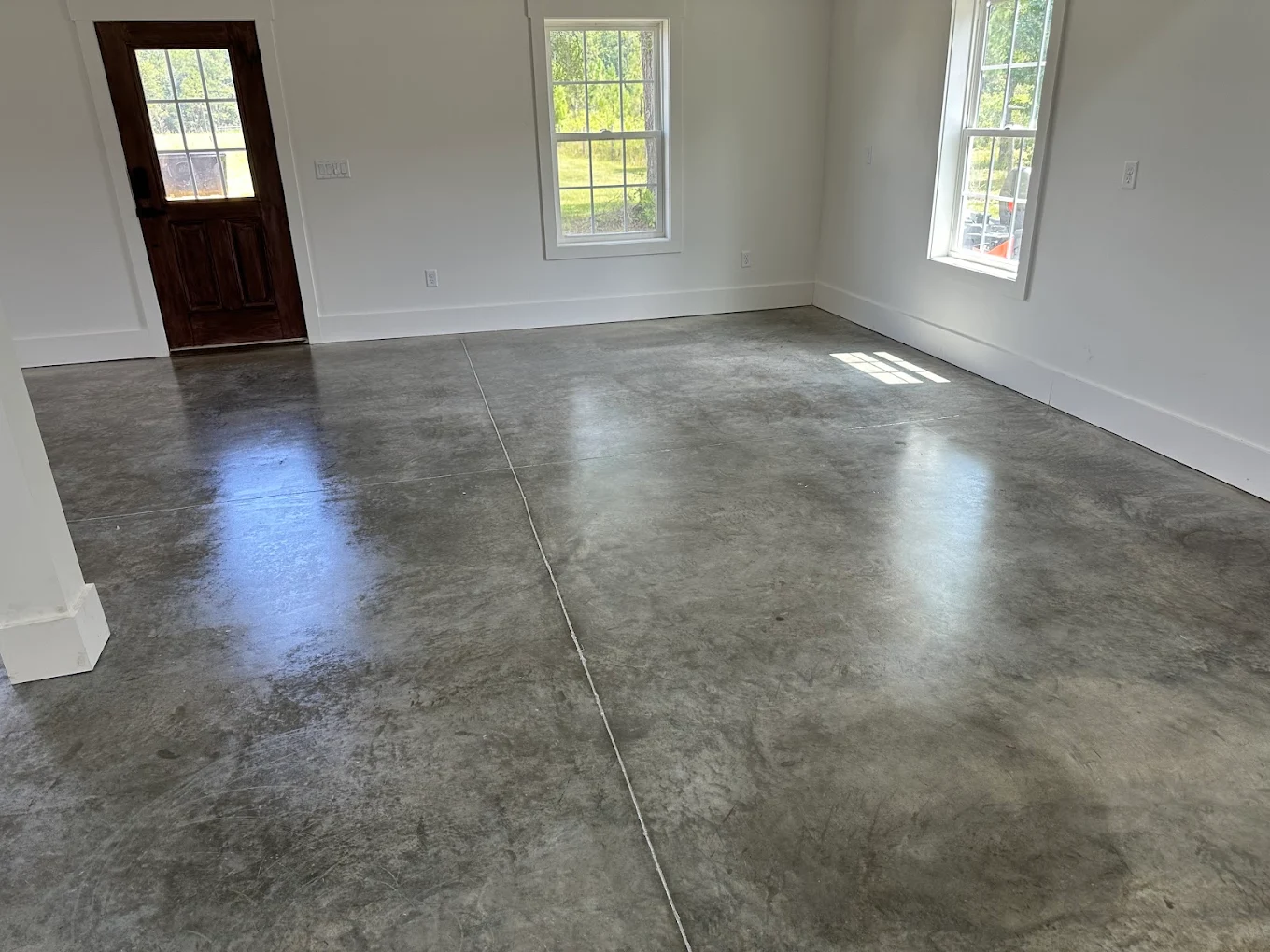
Review the existing material, prior treatments and known maintenance products.
Floor sealing and clear coats · Jacksonville
A sealer or clear coat changes how a surface looks, cleans and wears, but it cannot rescue every failing finish. JW evaluates the current material and intended use before recommending a maintenance coat or a different repair path.
Scope the work before choosing shortcuts
Concrete, epoxy, resilient flooring and wood products do not share one universal clear coat. Existing wax, oil, cleaner residue or an unknown coating can interfere with a new layer. JW identifies the surface as far as practical and discusses testing or product limitations before the full application is approved.
What the estimate should address
Specific materials and preparation depend on the property, existing surface and manufacturer requirements.
Review the existing material, prior treatments and known maintenance products.
Choose a path based on available product information and the condition of the current finish.
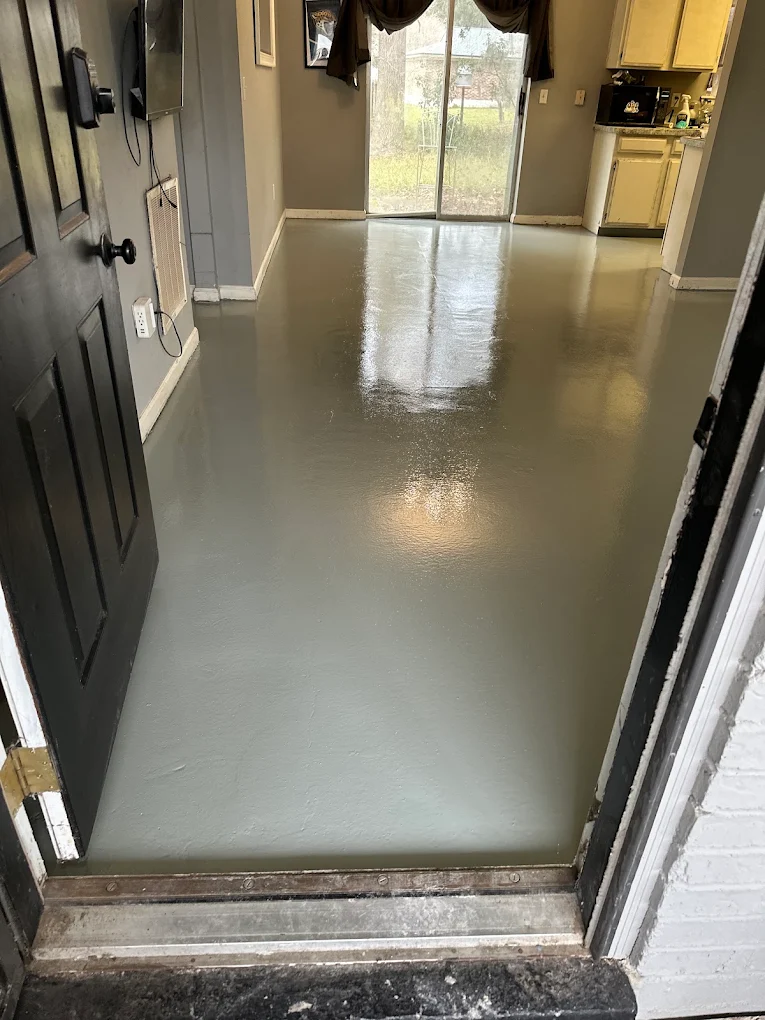
Discuss likely changes to sheen, color depth and visible wear.
Provide relevant cleaning and future care information for the approved product.
Choose for the way the space is used
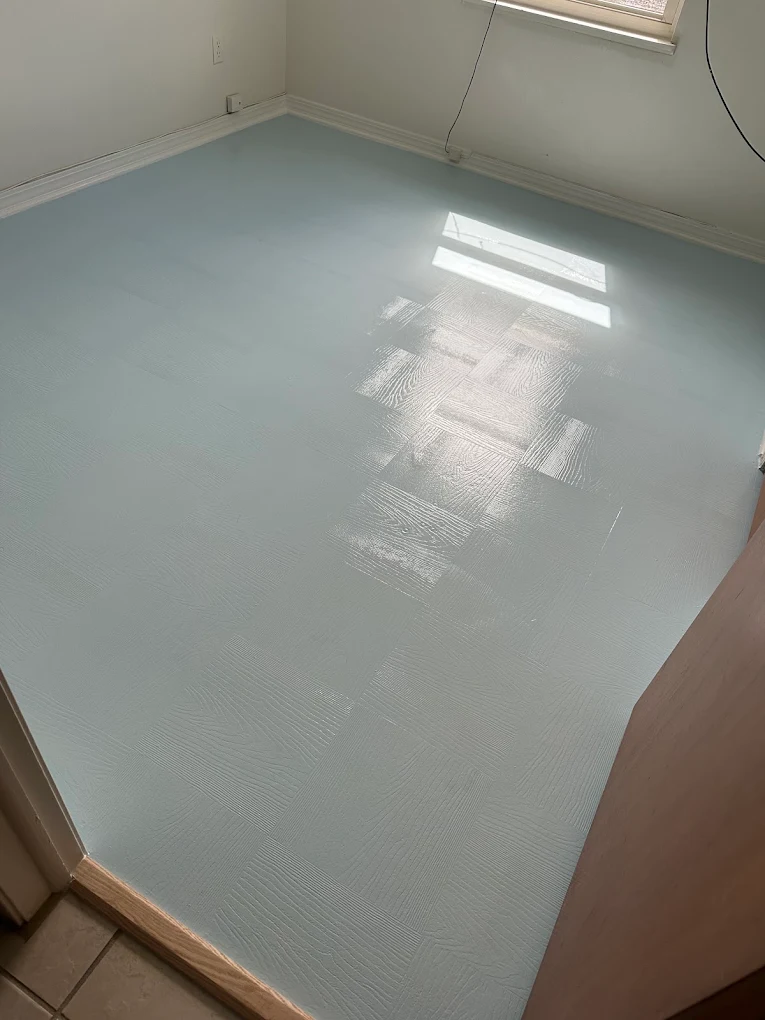
Clear products can deepen color, change sheen or make wear patterns more noticeable. Added texture may affect cleaning, while a smoother finish can behave differently when wet. JW reviews an available finish direction in the context of the room and explains that maintenance cycles depend on traffic, exposure and the product used.
A five-step working plan
The sequence changes when the surface, product or repair requires it, but these are the decisions every estimate should make visible.
Gather product history and inspect the current finish.
Look for peeling, contamination, wear and repairs that affect recoating.
Agree on cleaning, preparation and an appropriate finish direction.
Complete the approved steps and product sequence.
Follow the project-specific access and maintenance guidance.
Questions before an estimate
These answers are planning guidance, not a diagnosis of a surface that has not been inspected.
No. Compatibility, adhesion, current condition and the intended use all matter. The existing surface needs to be identified and assessed first.
It may change how minor wear looks, but it can also highlight damage. Deeper defects generally need separate preparation or repair.
There is no single interval. Traffic, cleaning, sunlight, moisture and the product used affect maintenance timing.
Yes. Some products deepen or alter the appearance of the existing surface. The likely result should be discussed before full application.
Start the conversation
Share the property ZIP, current material, visible condition, approximate area and the finish you are considering.